In 2025, many migrant mothers in San Sai District, Chiang Mai Province lived with a familiar uncertainty: not knowing whether their income would last the month, whether their employer would move them again, or whether their children would be able to stay in the same school. For families living in dormitories, worker housing, or farm accommodations, stability is fragile. A job loss can mean relocation overnight. A change in a factory contract can mean children leaving friends, teachers, and routines behind. In this reality, women often carry not only financial pressure, but also the emotional burden of keeping family life together under constantly changing conditions.
This was the context in which the Migrant Women Empowerment for Children’s Health Care and Development (MWEC) project implemented by The Life Skills Development Foundation (TLSDF) continued its work throughout 2025. The project responded to real challenges caused by rising living costs and reduced employment opportunities, particularly in construction work. These economic pressures directly affected migrant communities and weakened participation in some areas. In Pa Phai Subdistrict, for example, four women’s Self-Help Groups (SHGs) dissolved as families moved away in search of work. In Nong Han Subdistrict, a land ownership issue forced a factory to reduce production and lay off workers, pushing families to relocate again. But even in these difficult situations, MWEC’s community-based approach helped women reconnect, reorganize, and rebuild support systems where possible.
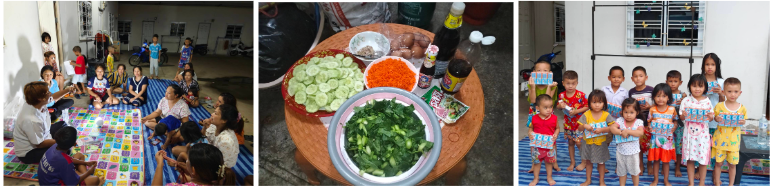
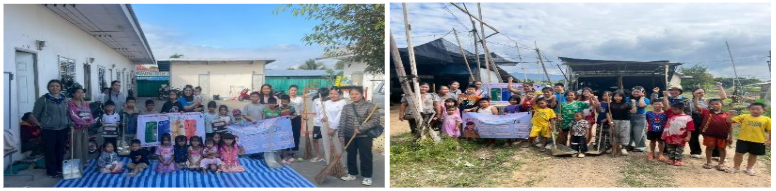
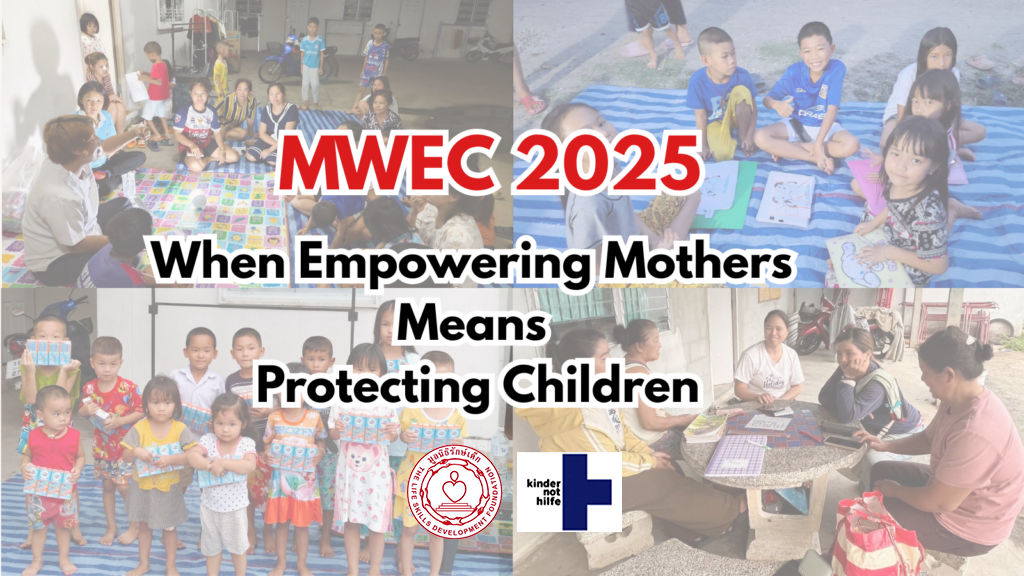
During the year, MWEC supported 20 active Self-Help Groups of migrant women, reaching 186 members and benefiting 213 children. These SHGs were not simply community meetings, they became spaces where women could learn, share problems openly, and plan together. Through structured support, women strengthened group systems such as savings, loan management, record keeping, and rotating leadership roles. In several groups, members also developed small group businesses, creating additional income and reinvesting profits into their collective funds. This strengthened not only household coping strategies, but also women’s confidence and collective identity something especially important for migrant families who often feel excluded from formal systems of support.
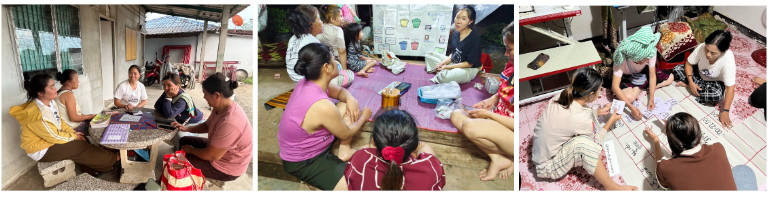
MWEC’s trainings focused on practical, everyday skills directly linked to children’s wellbeing: child development monitoring, oral and dental health education, selecting nutritious ingredients, cooking age-appropriate meals, home gardening to reduce expenses, waste management, and creating safe home environments. Parenting sessions promoted positive discipline and encouraged mothers to reduce harmful practices in child-rearing. These activities were designed to be immediately usable in daily life. The results were clear: 85% of mothers prepared nutritionally complete meals for their children, and 90% supported their children to enroll and remain in compulsory education exceeding the project target. In a year marked by economic instability, this outcome reflects how strongly migrant mothers continue to prioritize education as a path to a better future for their children.
At the same time, MWEC continued to strengthen youth leadership as a powerful tool for long-term change. The project worked with youth leaders in three schools and within migrant communities, reaching 61 school-based youth leaders and 20 community-based youth leaders. Children were supported not as passive participants, but as active leaders. They learned life skills such as educational planning, communication, teamwork, and project proposal writing, and then turned this learning into action through awareness campaigns. Youth-led initiatives reached around 1,800 students and addressed issues such as digital safety, drug and e-cigarette prevention, and waste reduction in schools. In communities where migrant children often experience discrimination or feel unheard, these activities helped young people build confidence, practice leadership, and experience what it means to speak publicly about rights and safety.
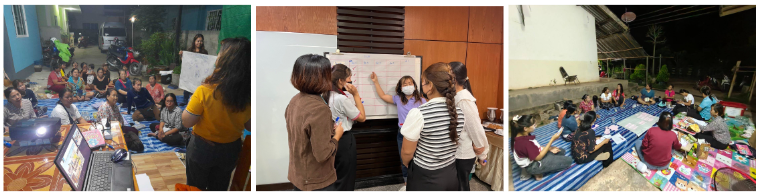
Child protection remained central to MWEC’s work. The project implemented safeguarding procedures, ensured informed consent, created safe spaces for children to share concerns, and strengthened community-based protection mechanisms through Cluster Level Associations (CLAs). However, the project also recognized ongoing challenges. Many children still live in insecure housing conditions with shared bathrooms, limited privacy, and weak safety infrastructure issues that families cannot easily change because housing is controlled by employers. In 2025, only 65% of children reported satisfaction and a sense of safety in their daily lives, slightly below the project target. This highlights an important reality: while community empowerment creates progress, structural conditions still shape children’s experiences and must remain part of long-term advocacy and protection work.
As MWEC moves toward its final year in 2026, the focus is increasingly on sustainability. TLSDF plans to support SHGs and CLAs to conduct self-assessments, strengthen independence, and deepen coordination with schools and local service providers. The experience of 2025 reinforces a simple truth: when migrant women are empowered to organize, learn, and support one another, they create more than savings funds or training outcomes. They create community resilience. They create safer childhoods. And they ensure that even in unstable environments, children are not left behind but are given the chance to grow, learn, and imagine a future worth building.